Your August Problem, Solved: The Preservation Playbook That Isn't Canning
Every August, the same thing happens. You go to the market for "just some peaches" and leave with a flat of tomatoes, a bundle of basil the size of a small dog, and a vague promise to yourself that none of it will go to waste.
Then it starts to go to waste.
Canning culture dominates the preservation conversation, and honestly, it's intimidating — the sterilizing, the altitude adjustments, the low-key fear of botulism. Here's the secret seasoned market shoppers know: you don't need a single jar to eat your own tomatoes in February. You need a freezer, maybe a dehydrator, and a basement corner. Let's build your playbook.
Method One: The Freezer, Your Underrated Workhorse
Freezing is the least glamorous and most reliable preservation method on earth. The trick is knowing which vegetables need blanching (a quick scald that stops enzyme decay) and which don't.
Blanch and freeze: green beans (3 minutes), corn (cut kernels off after 4 minutes blanching on the cob), broccoli and cauliflower (3 minutes), kale and chard (2 minutes, then squeeze into balls — future you will bless present you).
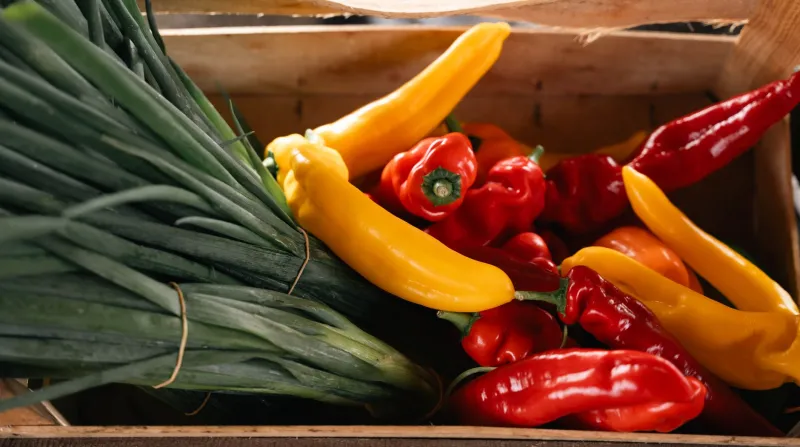
Freeze as-is: cherry tomatoes (whole, on a tray, then bagged — skins slip right off when thawed), peppers (diced, no blanching needed), and herbs in oil or butter in ice cube trays.
The pro move: roast tomatoes at low heat first, then freeze the concentrate in one-cup portions. January pasta night will feel like theft.
Method Two: Drying — The Oldest Trick, Still the Best
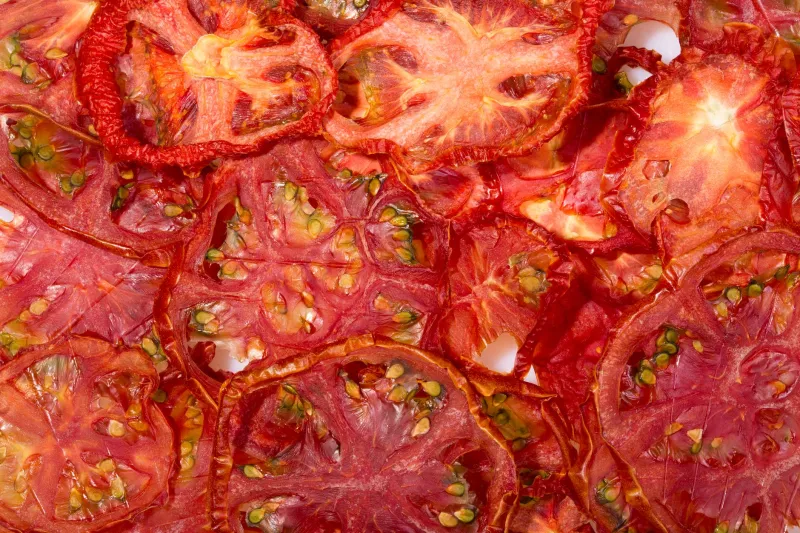
A dehydrator pays for itself in one good tomato season, but a low oven (170°F, door cracked) works too.
Dried tomatoes, obviously. But also: fruit leather from bruised peaches, kale chips that actually keep, dried hot peppers strung into a ristra for your kitchen, and — massively underrated — dried zucchini chips, which turn the summer's most prolific vegetable into something people fight over.
Herbs dry beautifully hanging upside down in a dry corner for two weeks. Basil, oregano, thyme, sage — crumble, jar, done. Your dried basil will embarrass anything from the spice aisle.
Method Three: Root Cellaring Without a Root Cellar
You don't need a farmhouse cellar. You need cool, dark, and slightly humid — and every home has a version of it.
Winter squash: cure in the sun for a week, then store at 50–55°F. A cool closet works. Butternut keeps for six months.
Potatoes: dark, 40–45°F, in a paper bag or ventilated box. Never the fridge — it turns the starch to sugar.
Garlic and onions: dry, dark, and airy. A mesh bag in a cool pantry lasts into spring.
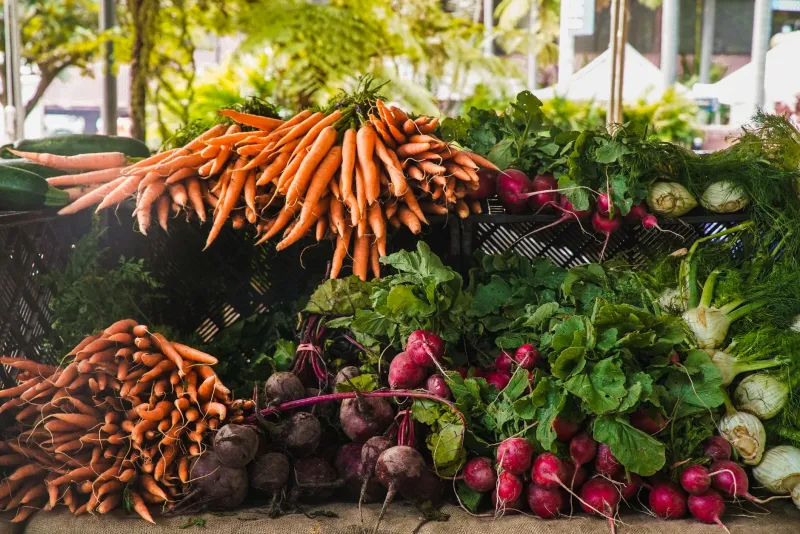
Carrots and beets: the humidity lovers. In an apartment, pack them in a bucket of damp sand in an unheated closet or stairwell. They'll crisp up even better than the day you bought them.
Method Four: Oil-Packing and Other Fancy-but-Easy Moves
Confit tomatoes: slow-roast them in olive oil at 250°F for three hours, then store refrigerated, fully submerged in the oil. Use within a few weeks and you've got the best condiment in your fridge.
Herb oil: blitz basil with olive oil, freeze in cubes, and you have instant sauce base all winter. (For safety, keep herb-in-oil preparations frozen or refrigerated — never shelf-stored at room temperature.)
Your Week-by-Week Preservation Calendar
Timing is everything. Here's the rough rhythm, keyed to when things hit their peak across most US growing regions — shift earlier in the South and Southwest, later in the upper Midwest and Northeast:
Late July: Start drying herbs. Freeze first berries. The season is announcing itself.
Early August: Peak tomato prep begins. Roast, freeze, and dry in small weekly batches rather than one heroic weekend. Blanch your first green beans.
Mid-August: Corn and peppers flood in. Cut and freeze corn now — it's a one-evening job per dozen ears. String your first pepper ristras.
Late August: Stone fruit finale. Freeze sliced peaches in a little lemon water. Start stockpiling basil oil cubes.
Early September: Cure winter squash as it comes off vines. Harvest and dry the last hot peppers.
Mid-September: Root vegetables arrive. Set up your sand bucket. Dig in — this is the month that feeds your winter.
Late September: Final tomato push. Everything left goes into confit or the freezer tray. Then you're done, and the pantry is full.
The Real Secret
Preservation isn't a weekend of suffering. It's a habit of small batches, done while the coffee's still hot, for fifteen minutes at a time across six weeks. Do that, and February becomes the month you eat like August — no pressure, no jars, no botulism math required.