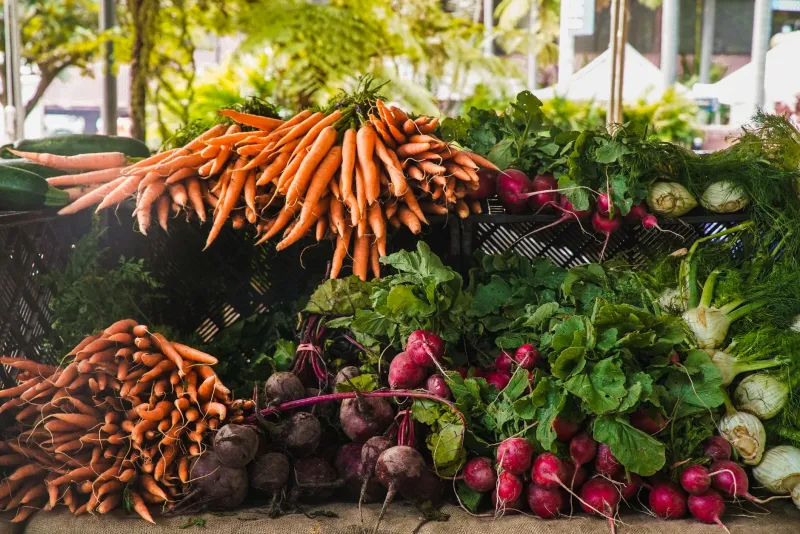
Okay, But What Do I Do With Kohlrabi? A Survival Guide for CSA Members
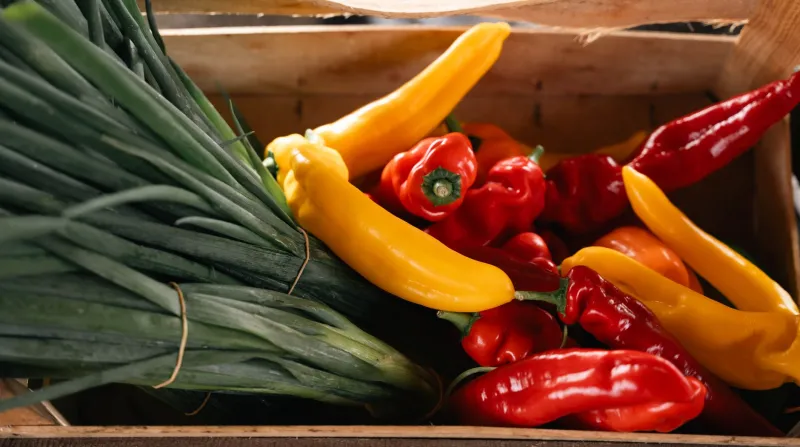
Let's be honest about how this goes.
Week one, you photograph the box. Week two, you try a new recipe. Week three, the greens wilt in the crisper drawer while you order takeout, and by August you're composting more kohlrabi than you're eating — and feeling weirdly guilty about a vegetable you never asked for.
You are not a failure. You're just running an unmanaged inventory system with zero training. Here's the fix.
Reframe the Box: It's Inventory, Not Inspiration
The core mistake almost everyone makes is treating the CSA share like a gift and the kitchen like a restaurant. It's neither. It's a weekly delivery of inventory that needs triage, the same way any kitchen that actually runs on whole ingredients handles it.
So the moment the box hits the counter, do three things, in order:
- Sort by lifespan. Hard roots and winter squash can wait weeks. Greens get days. Herbs get hours.
- Process the perishables immediately. Wash, dry, and bag the greens. Strip herbs into a jar of water. This ten minutes is the single highest-leverage habit in CSA life.
- Assign each item a destination: eat this week, freeze, or ferment/pickle.
That's it. That's the system. Everything below is just tactics.
The Kohlrabi Question, Answered
Since you came here for it: kohlrabi is a bulb stem in the cabbage family that tastes like a mild, slightly sweet cross between broccoli and jicama. Peel it — actually peel it, the skin is fibrous — and then:
- Shred it raw with apple and lemon for a slaw that needs no mayo
- Cut into fries, toss with oil, roast hot at 425°F
- Cube it into any soup or stew where you'd use potato
- Slice thin and pickle it
It keeps for a month in the fridge once the leaves are removed, which makes it one of the friendlier box residents. The scary ones are the bags of greens and the surprise bunches of something you can't name.
Freezer Triage: Your Pressure-Release Valve
Your freezer is not a failure. It's the reason your grandparents survived winter. A few moves that take under ten minutes each:
- Blanch and bag: Two minutes in boiling water, ice bath, into a freezer bag. Works for greens, beans, corn, broccoli, and it means September-you thanks July-you.
- Freeze herbs in oil: Chop, pack into ice cube trays with olive oil, freeze. Instant flavor bombs all winter.
- Roast-and-freeze: Roast a tray of mixed vegetables on Sunday, freeze in portions. They go straight into frittatas, grain bowls, and soups.
- Soup scraps bag: Keep a bag in the freezer for onion ends, carrot tops, and stems. When it's full, make stock. You've now turned waste into an ingredient.
Talk to Your Farmer (Really)
Here's the part almost nobody does: tell your farmer what you actually eat.
CSA farmers genuinely want this feedback — it shapes what they plant next season. A quick end-of-week note saying "the beets defeated us, but we demolished the cherry tomatoes" is useful data. Many farms offer customization or swap tables; some will happily trade your turnips for extra zucchini with another member. And if a vegetable keeps showing up that you'll never touch, say so before renewal season, not after.
A Week That Actually Works
Monday: box arrives, triage happens. Tuesday: big stir-fry or frittata that clears the perishables. Wednesday: grains-and-roasted-veg night from the freezer stash. Thursday: soup or curry using anything aging. Weekend: one prep session — blanch, roast, pickle — that sets up the coming week.
Two cooking sessions plus one prep hour. That's the whole commitment.
The share you actually eat through beats the share you compost. Start small, use the freezer without shame, and remember: the kohlrabi isn't judging you. It's just waiting to be peeled.