Crocks, Cultures, and Comeback: Why Home Fermentation Is the Smartest Thing You Can Do With a Head of Cabbage
Let's say it's late October. Your CSA box just dropped a mountain of green cabbage on your counter, you've already made three slaws, and you're staring down the reality that this stuff isn't going to last another two weeks in the fridge. What do you do?
If you're part of a quietly growing community of home fermenters across the US, the answer is easy: you grab a jar, some non-iodized salt, and you get to work. What comes out the other side — weeks or even months later — isn't just preserved cabbage. It's a living, thriving, nutritionally upgraded food that your gut will genuinely thank you for.
Fermentation is having a moment, but calling it a trend undersells it. This is a rediscovery. For most of human history, before refrigeration and industrial food processing flattened our culinary landscape, fermentation was how communities survived winter. It was how grandmothers in Korea made kimchi, how Eastern European families packed barrels of sauerkraut, how hot pepper harvests in the American South became something shelf-stable and complex. We didn't lose that knowledge because it stopped working. We lost it because convenience culture told us we didn't need it anymore.
Spoiler: we need it.
What's Actually Happening in the Jar
Fermentation sounds complicated, but the core science is beautifully simple. When you submerge vegetables in a saltwater brine — or pack them tightly with salt so they release their own liquid — you're creating an environment where beneficial bacteria, primarily Lactobacillus species, can thrive while harmful microbes can't. These bacteria consume the natural sugars in your vegetables and produce lactic acid as a byproduct. That's what gives fermented foods their signature tang, and it's also what preserves them.
Here's where it gets genuinely exciting from a nutrition standpoint: fermentation doesn't just preserve food, it transforms it. Studies have shown that the fermentation process can increase the bioavailability of certain minerals, synthesize B vitamins, and break down compounds like phytic acid that would otherwise block nutrient absorption. A jar of raw sauerkraut isn't nutritionally identical to a head of cabbage — it's arguably better, at least in terms of what your body can actually use.
And those live cultures? If you're eating your ferments unpasteurized (which is the whole point of making them yourself), you're getting a serious dose of probiotics that support gut microbiome diversity. Commercial yogurt gets a lot of credit in this space, but a well-made kimchi or naturally fermented pickle is delivering a far wider range of bacterial strains.
The Waste Angle Nobody Talks About Enough
Let's bring it back to that October cabbage situation, because the environmental case for home fermentation is just as compelling as the nutritional one.
Food waste is one of the most underappreciated drivers of climate impact in the US. The USDA estimates that between 30 and 40 percent of the food supply ends up wasted — and a significant chunk of that happens at the household level, in the form of produce that went soft before we got around to using it. When you ferment, you're converting perishable, time-sensitive vegetables into shelf-stable foods that can last months in a cool environment without any energy input beyond the initial prep.
No freezer required. No canning equipment. No plastic packaging. Just salt, a vessel, and time.
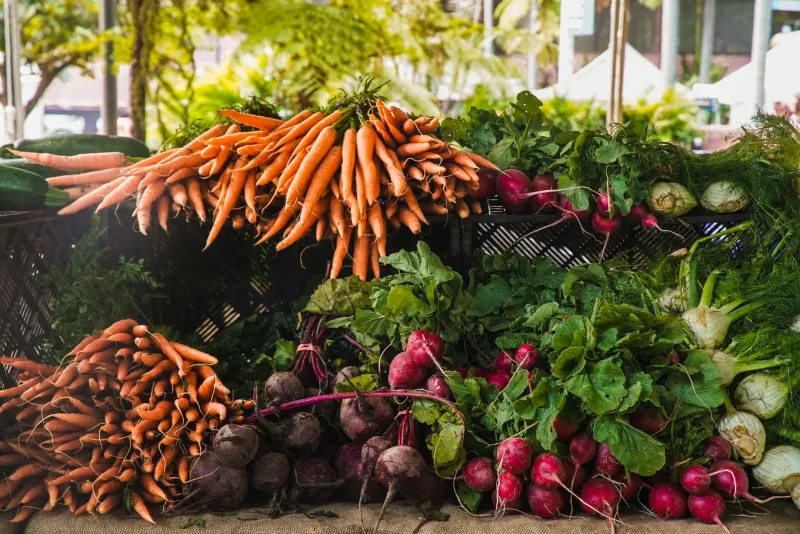
That's a genuinely different relationship with food than most of us have been taught to have. Instead of racing against the clock to use up your farmers' market haul, fermentation lets you slow down. It turns abundance into resilience.
Small-scale producers are catching on, too. Across the country, cottage fermenters are turning surplus local harvests — seconds that wouldn't sell at market, end-of-season gluts from farm partners — into value-added products that extend the life of the harvest and keep money in local food systems. These aren't just artisan products. They're a model for what low-waste, community-scale food preservation can look like.
Starting Your Own Practice (Without Losing Your Mind)
If you've never fermented anything before, the good news is that you don't need much. The barrier to entry is genuinely low.
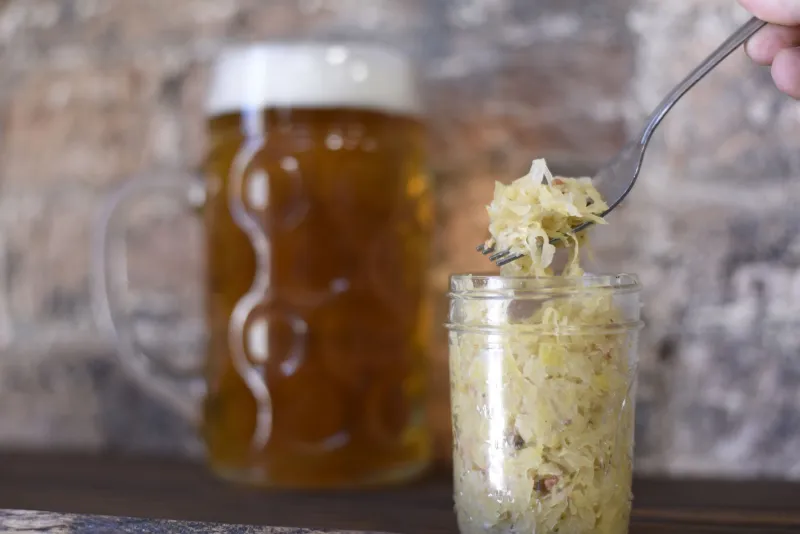
Start with lacto-fermented vegetables. Sauerkraut is the classic beginner project for a reason. Shred cabbage, toss it with about 2% of its weight in non-iodized salt (kosher salt works great), massage it until it releases liquid, pack it into a clean jar, and weigh it down so everything stays submerged. Leave it at room temperature, out of direct sunlight, and taste it after five days. It'll keep developing flavor for weeks.
Move to kimchi when you're ready for more complexity. Traditional kimchi involves napa cabbage, Korean red pepper flakes (gochugaru), garlic, ginger, and a paste that gets worked into every leaf. It's more involved, but the payoff is enormous — and it's one of the most nutrient-dense fermented foods you can make at home.
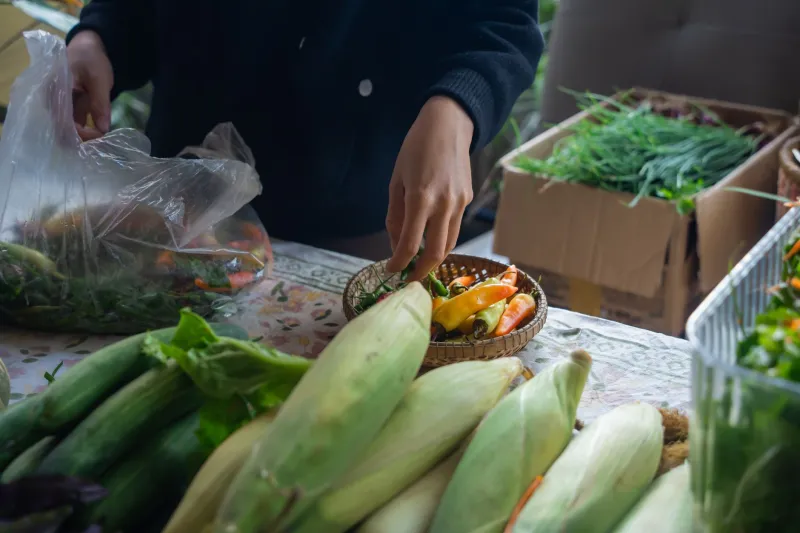
Hot sauce is a great gateway for pepper season. If you grew or bought a surplus of hot peppers this summer, blend them with salt and let the mash ferment in a jar for a week or two before straining. The result is a bright, complex, living hot sauce with a depth that no bottle from the grocery store can replicate.
A few things to keep in mind: temperature matters (cooler rooms mean slower, more complex fermentation), cleanliness matters (not sterility, just clean hands and vessels), and your nose is your best tool. Fermentation smells funky. It smells sour. It does not smell rotten. Trust yourself — you'll know the difference.
The Bigger Picture
There's something quietly radical about learning to ferment. It's a skill that makes you less dependent on industrial food systems, more connected to seasonal rhythms, and more capable of doing something genuinely useful with whatever the harvest brings. It's also a skill that travels — once you understand the basics, you can ferment almost any vegetable, adapt recipes to what's local and available, and build a pantry that reflects your actual food community.
At Sust House, we talk a lot about eating with intention and building relationships with where food comes from. Fermentation fits squarely into that ethos. It asks you to pay attention — to your ingredients, your environment, the passage of time. It rewards patience in a way that fast food culture never will.
So next time your counter is buried in late-season produce and the fridge is already full, don't panic. Grab a jar. Add some salt. Let the bacteria do what they've been doing for thousands of years.
The harvest doesn't have to end when the season does.