The Organic Label Isn't the Whole Story: What Actually Makes Your Vegetables Nutritious
Let's be honest: most of us grab the organic option at the grocery store and feel pretty good about it. We're avoiding synthetic pesticides, supporting (hopefully) better farming practices, and telling ourselves we're nourishing our bodies with the good stuff. That instinct isn't wrong. But here's where it gets complicated — the organic certification on that bag of spinach tells you almost nothing about how many nutrients are actually inside it.
Nutrient density, it turns out, is one of the most misunderstood concepts in the whole sustainable food conversation. And unpacking it changes how you shop, how you think about your local farmers market, and maybe even how you grow food at home.
What the Research Actually Says About Organic vs. Conventional
The headlines have flip-flopped on this one for years. A widely cited 2012 Stanford meta-analysis made waves by concluding there was little significant difference in nutrient content between organic and conventional produce. Then a 2014 British Journal of Nutrition study pushed back, finding that organic crops contained substantially higher concentrations of certain antioxidants and lower levels of cadmium and pesticide residues.
So who's right? Honestly, both — and that's the point. The organic vs. conventional debate is the wrong frame entirely. Certification status is a proxy for farming practices, but it's an imperfect one. A massive organic monocrop operation in California's Central Valley, growing in depleted soil and shipping produce across the country, may deliver a tomato that's technically organic but nutritionally hollow. Meanwhile, a small conventional farm down the road using thoughtful soil management, diverse cover cropping, and harvesting at peak ripeness might be putting far more nutritional value on your plate.
The real variables have almost nothing to do with whether a farm filed the right paperwork.
It Starts (and Ends) With the Soil
If there's one thing the regenerative agriculture movement has gotten right, it's this: healthy soil grows healthy food. Plants don't manufacture nutrients out of thin air — they draw them up from the ground through their root systems. A vegetable grown in living, mineral-rich, microbiologically active soil has access to a completely different nutritional palette than one grown in tired, compacted dirt propped up by synthetic fertilizers.
Research on soil health and crop nutrition consistently shows that plants grown in biologically diverse soils — the kind teeming with fungi, bacteria, and earthworms — tend to produce higher concentrations of phytonutrients, vitamins, and minerals. Part of this is a stress-response mechanism: when plants have to work a little harder, interacting with soil microbes and mild environmental pressures, they synthesize more of the protective compounds that also happen to be good for us.
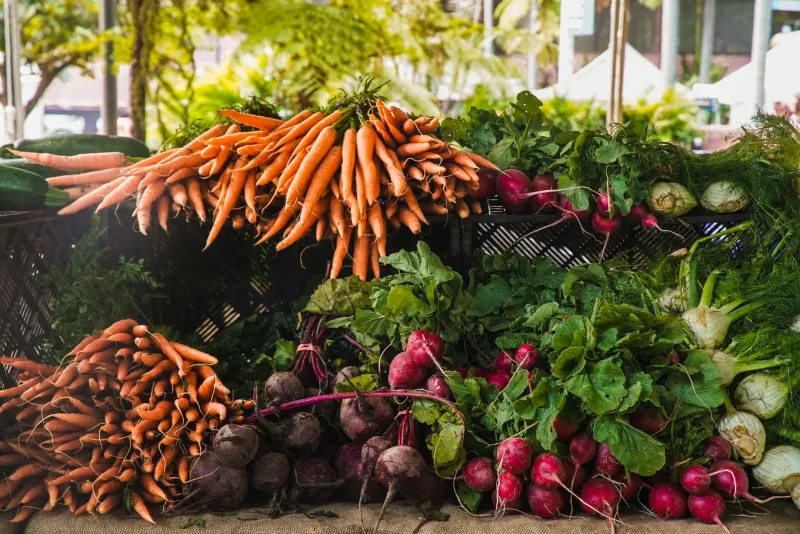
This is why two bunches of carrots that look identical in the bin can be nutritionally worlds apart. One might have been grown in genuinely rich, living soil. The other might have been grown in a medium that's essentially a delivery system for water and synthetic inputs. The certification label won't tell you which is which.
Timing Is Everything: The Harvest and Storage Problem
Here's something that doesn't get nearly enough airtime in food conversations: a significant portion of a vegetable's nutritional value degrades between the moment it's picked and the moment it hits your mouth. And the gap between those two moments in the American food system is often measured in days — sometimes weeks.
Vitamin C, folate, and many antioxidants are particularly vulnerable to degradation. Studies have shown that spinach can lose up to half its folate content within a week of harvest under typical refrigerated storage conditions. Broccoli begins losing glucosinolates — the compounds linked to cancer-fighting properties — within 24 hours of being cut. Produce that travels 1,500 miles to reach a distribution center and then sits in a supermarket cooler is nutritionally different from produce harvested that morning at a farm stand.
This is one of the strongest arguments for buying local, and it has nothing to do with organic certification. A conventionally grown head of broccoli from a farm 30 miles away, harvested yesterday, is almost certainly more nutritious than an organic one that flew in from Mexico last Tuesday. Proximity and timing matter enormously.
Variety Selection: The Forgotten Factor
Modern agriculture has quietly traded nutritional richness for yield and shelf stability. Many of the crop varieties dominating supermarket shelves were selected specifically because they produce a lot, survive shipping, and look good under fluorescent lights — not because they're particularly nutrient-dense.
Heirloom and heritage varieties, by contrast, often carry significantly higher concentrations of certain nutrients. Some older tomato varieties contain two to three times the lycopene of common commercial hybrids. Certain heritage grain varieties have higher protein and mineral profiles than their high-yield modern counterparts. When you buy from a small local farm or grow your own, you're more likely to encounter these older, more nutritionally complex varieties — another reason the farmers market often beats the organic aisle on actual food quality.
So What Should You Actually Do?
None of this is an argument against buying organic. Reducing your pesticide exposure is genuinely worthwhile, and supporting organic certification as a baseline standard pushes the industry in a better direction. But if maximum nutrition is the goal, here's what the evidence actually points toward:
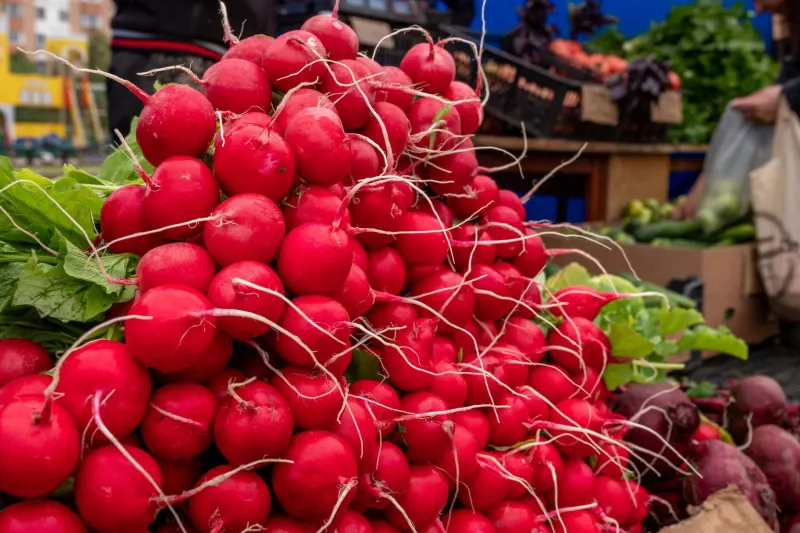
Prioritize local and seasonal. The shorter the time between harvest and your table, the more nutrients survive the journey. Farmers markets, CSA shares, and farm stands are your best bet here. Ask vendors when things were picked — good farmers love that question.
Get curious about soil practices. When you talk to farmers (which you absolutely should), ask how they manage their soil. Do they use compost? Cover crops? Minimal tillage? These practices are stronger predictors of nutrient density than the organic label alone.
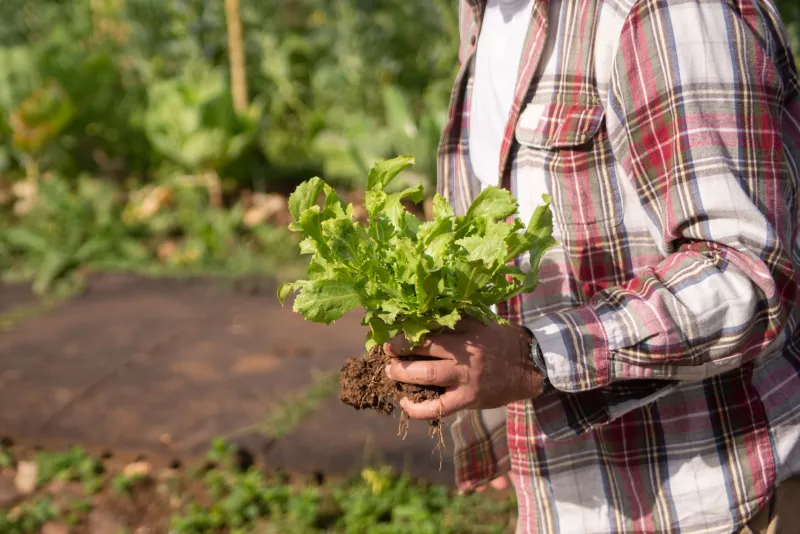
Grow some of your own. Even a small container garden or backyard plot gives you complete control over soil quality and harvest timing. You can amend with rich compost, choose heirloom varieties, and eat things within hours of picking them. That's about as nutrient-dense as food gets.
Diversify what you eat. No single vegetable has everything. A wide variety of colorful, seasonal produce — especially things like dark leafy greens, root vegetables, and alliums — covers more nutritional ground than optimizing for one superfood.
Store smartly. Some produce (tomatoes, stone fruit) loses quality fast in the fridge. Others (leafy greens, broccoli) need to stay cold and be eaten quickly. Learning the storage quirks of different vegetables helps you capture the nutrition you paid for.
The Bigger Picture
The organic label is a starting point, not a destination. It's a useful shorthand, but the food system is complicated enough that shortcuts can mislead us. Real nutritional quality lives in the details: the biology of the soil, the age of the seed variety, the hours since harvest, the care taken in storage.
Asking better questions — of your farmers, your grocery stores, and yourself — is how you actually eat well. The label is just the beginning of the conversation.