The March Rush: What a Sold-Out Farm Share Actually Tells Us About Dinner in America
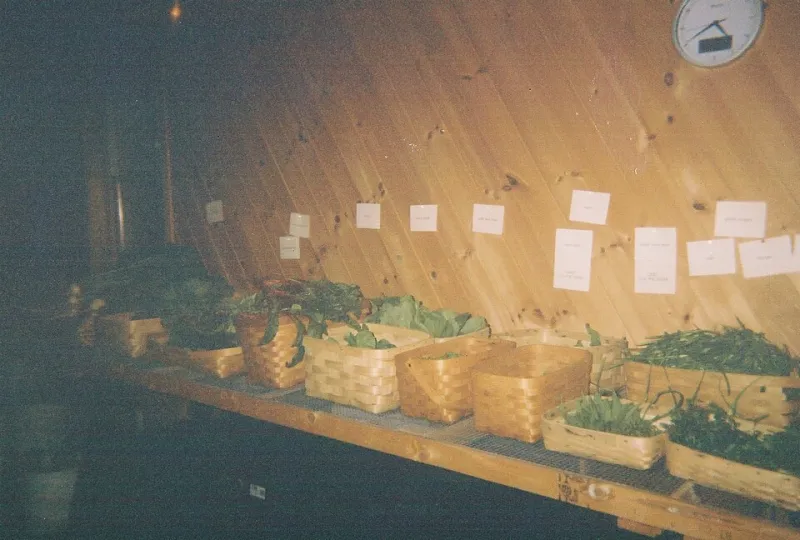
Photo: James Giddings, CC0, via Wikimedia Commons
Every March, the same scene plays out at small farms across the country. A CSA sign-up link goes live at 9 a.m. By 9:40, it's closed. The waiting list email goes out, and somewhere a subscriber refreshes their inbox with the same energy they'd reserve for concert tickets.
We've built a food culture where people will set alarms to pay a farmer upfront for a box of whatever happens to be growing. That's either bizarre or it's the most encouraging thing happening in American food. I'd argue it's the latter — and the frenzy tells us something deeper than any single harvest ever could.
Why the Model Works (Until It Doesn't)
Community Supported Agriculture runs on a simple, slightly radical premise: members buy a share of the farm's harvest before the season starts, sharing both the bounty and the risk. The farmer gets working capital in early spring, when cash flow is a rumor. Members get a weekly box and, in theory, a stake in the place their food comes from.
The economics explain the sellouts. A 200-member CSA at $700 a season generates $140,000 in February — money that lets a farm buy seed, repair equipment, and hire crew without a bank loan hanging over the growing season. For a five-acre operation, that's transformative. No wonder farms cap memberships: the limit isn't marketing scarcity. It's how many shares the land, the crew, and the packing process can honestly support.
So when your local farm sells out in 40 minutes, that's not artificial hype. It's a small farm running at genuine capacity, with demand outrunning supply. Which raises the obvious question: if people are this hungry for a relationship with their food, why isn't the model scaling faster?
The Friction Nobody Mentions in the Brochure
Here's the uncomfortable part. The classic CSA asks a lot. You take what you get — including the kohlrabi. You show up on pickup day or you lose your box. You eat in season, which in much of the country means a lot of greens in May and a lot of squash in October.
That friction is a feature for some members and a dealbreaker for everyone else. Dropout rates between seasons have long haunted the model, and the March sellout coexists with quiet midsummer churn. The waiting list, in other words, reflects people who want the idea of the farm relationship. Whether they want the Tuesday pickup for 22 straight weeks is a separate question.
What's Emerging in the Gap
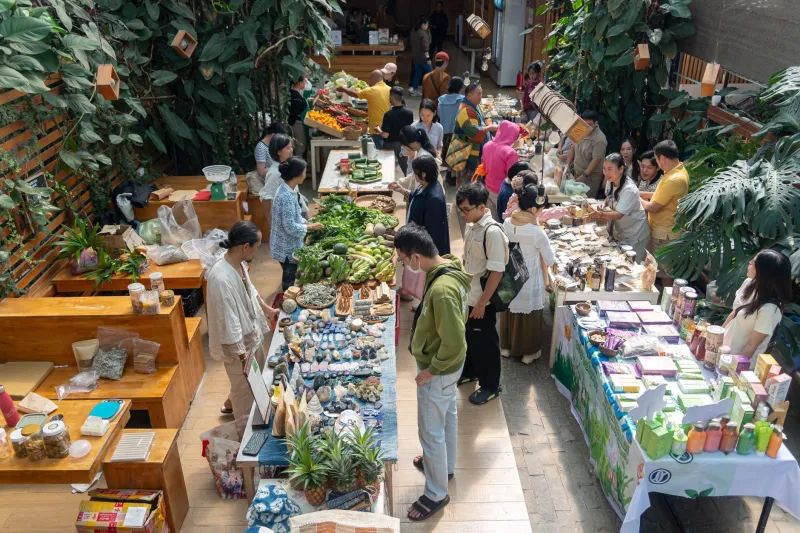
The most interesting development isn't the classic CSA — it's the wave of variations bending the model around real lives:
- Market-style CSAs let members take a store-credit balance and choose their own items at the farm stand or market stall. Same upfront commitment, zero mystery kohlrabi.
- Multi-farm shares aggregate products from several producers — vegetables here, eggs there, bread from a third — smoothing out the seasonal gaps no single farm can fill.
- Workplace drop-offs move pickup to office lobbies and hospital break rooms, meeting people where they already are.
- Sliding-scale memberships, increasingly common at food-access-minded farms, let higher-income members subsidize shares for neighbors who couldn't otherwise join. Some farms now report that a third of their shares are donated or discounted.
- Subscription add-ons — flowers, meat, grains — let members deepen the relationship one category at a time.
What the Rush Really Means
Strip away the logistics and the March rush points at something the grocery industry has spent decades engineering out of the shopping experience: people want to know who grows their food. Not a brand. A person. A field they've stood in.
The CSA sellout is the market pricing that connection honestly. And the fact that demand keeps outpacing these small farms suggests we're nowhere near saturation — we're near the beginning. The challenge for the movement is making the relationship accessible enough that the waiting list doesn't just become another gate for the already-committed.
If a farm share sells out in 40 minutes, the answer isn't to celebrate scarcity. It's to grow more farms.
Rooted in the earth. Grown for your table.