When the School District Buys a Farm: Inside America's boldest Cafeteria Experiment
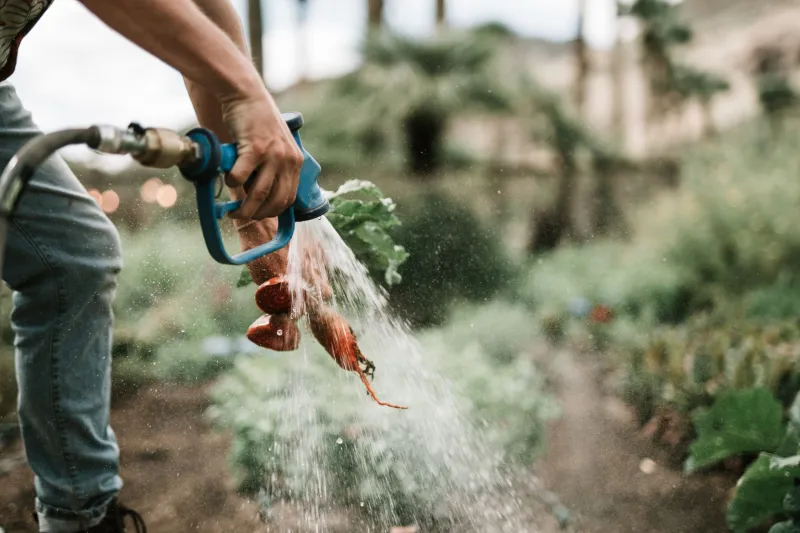
There's a field a few miles from the high school that doesn't belong to a farmer. It belongs to the school district.
Over the past decade, a small but growing number of American public school districts have done something quietly radical: purchased farmland and started growing food for their own cafeterias. Not a raised bed behind the gym. An actual farm, with equipment, staff, harvest schedules, and a budget line. The idea sounds like a feel-good press release, and sometimes it is. But spend time inside one of these programs and a more interesting story emerges — one about procurement, labor, and who gets to afford a food system that makes sense.
The Economics, Unvarnished
Start with the money, because that's where these programs live or die.
A working district farm carries real costs: land (or debt service on it), a farm manager salary, equipment, seeds, insurance, and — the one that surprises school boards — processing. Cafeterias can't serve whole unprocessed squash to second graders in 20-minute lunch periods. Washing, cutting, and prepping farm produce takes kitchen labor that many districts, already stretched thin, don't have.
The district we examined offsets this several ways. Its farm sells a portion of its harvest to other institutions and at a farm stand, diversifying revenue. It qualifies for USDA Farm to School grant funding, which has funneled serious federal money into local procurement since the program's expansion. And critically, its region's produce season overlaps with the school year, so cafeterias absorb product when it's actually coming out of the ground.
Does it pencil out? The honest answer: not yet on its own. The farm's food costs more per serving than commodity surplus product — which is essentially what the federal school lunch program dumps into cafeterias at near-zero cost. The district justifies the difference in educational value, food waste reduction, and meal participation rates, which have genuinely climbed since farm produce started showing up on trays. But it's a subsidy story, and anyone who tells you otherwise is selling something.
The Kids in the Beds
What the budget spreadsheets can't capture is the students.
At this district, agriculture classes walk to the farm as part of the curriculum. A summer youth crew earns wages harvesting tomatoes and pulling weeds. The cafeteria manager reports that kids who worked the beds will eat vegetables their peers won't touch — not because of a nutrition poster, but because they grew them and they're not about to let their own work go in the trash.
That's the quiet genius of the model: it collapses the distance between production and consumption to a walkable mile, and kids notice. In a country where the average food travels roughly 1,500 miles to reach a plate, a carrot with a known address is an education in itself.
Could It Scale? The Uncomfortable Answer
Here's where we owe you an opinion instead of a shrug.
The district in this story sits in a community with a supportive tax base, land prices that were reasonable a decade ago, and voters willing to fund a bond measure that included a farm. Many districts have none of those things. In places where schools can't reliably fund textbooks, a farm program can look like an indulgence — and critics who make that argument aren't wrong to raise it.
But the fix isn't to abandon the model. It's to share it. District farms can serve as regional hubs, aggregating product from nearby private farms for multiple districts — spreading the fixed costs of farm management and processing across a wider base. State-level Farm to School programs and USDA grants can carry more of the load. And the model doesn't require every district to own land; procurement contracts with local farmers achieve much of the same effect without a land purchase.
The districts buying farms are running a proof of concept the rest of the country can adapt, not necessarily replicate. They're demonstrating that school food can have a supply chain you can visit on a field trip — and that when it does, kids eat better, waste less, and learn something no standardized test measures.
That's worth funding. Everywhere. Not just where the tax base can afford the experiment.