What's Hiding in Your Produce Aisle: The Gut-Wrecking Chemistry of Conventional Farming
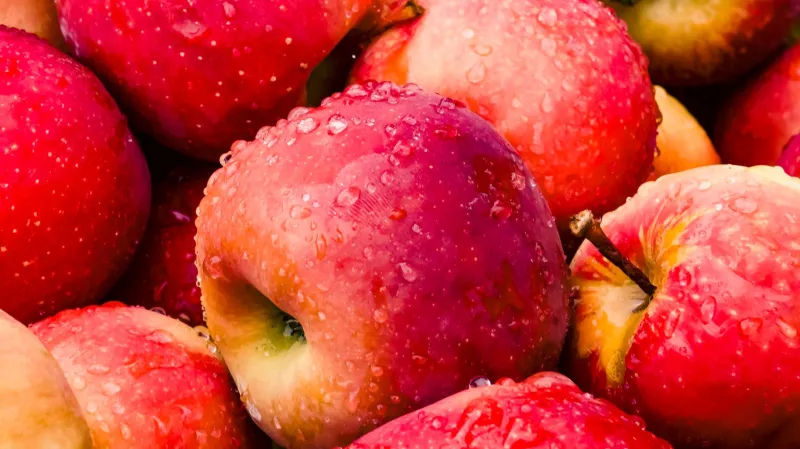
Here's a thought experiment. You pick up a beautiful, shiny apple at your average supermarket. You maybe give it a quick rinse, take a bite, and move on with your day. What you probably don't think about is the chemical history of that apple — the fungicide applied post-harvest to keep it looking fresh through weeks of cold storage, the pesticide residues that survived washing, the systemic chemicals absorbed through the skin of the fruit itself.
None of that is on the label. And some of it, according to a growing body of research, is quietly doing things inside your body that should have the whole country paying closer attention.
The Residue Problem Is Bigger Than "Just Wash Your Produce"
The conventional food safety message around pesticides has long been: wash your fruits and vegetables thoroughly, and you'll be fine. That advice isn't wrong, exactly — it does reduce surface residue. But it doesn't account for systemic pesticides, which are absorbed by the plant itself during growth and can't be rinsed away. It also doesn't address post-harvest treatments applied directly to fruit skin, or the cumulative load of multiple chemical residues interacting in your digestive system.
The USDA's own Pesticide Data Program consistently finds detectable residues on a significant percentage of tested produce, even after washing. Strawberries, apples, spinach, and bell peppers routinely top the Environmental Working Group's Dirty Dozen list — not because they're uniquely dangerous, but because they're among the most heavily treated crops in conventional American agriculture.
For most adults, a single exposure to any of these residues at typical levels isn't going to send you to the ER. That's not the point. The concern is chronic, low-level exposure over years and decades — and specifically, what that exposure does to the ecosystem of bacteria living in your gut.
Your Gut Bacteria Are Collateral Damage
Your microbiome — the roughly 38 trillion microbial organisms living in your digestive tract — is not a passive bystander to what you eat. It's an active participant in your immune function, your metabolism, your mood regulation, and your body's ability to respond to infection. Disrupting it has real, measurable consequences.
Several classes of agricultural chemicals have now been shown in laboratory and epidemiological studies to exert what researchers call "antimicrobial effects" on gut bacteria. Glyphosate, the world's most widely used herbicide and a common residue on conventionally grown crops, has been shown to inhibit an enzyme pathway — the shikimate pathway — that exists in bacteria but not in human cells. The argument from manufacturers has always been that this makes it safe for humans. But your gut bacteria have that pathway too. And disrupting it in your microbiome is not a neutral act.
Fungicides are a less-discussed but arguably more alarming piece of this puzzle. Because fungi and bacteria share some biochemical similarities, certain antifungal compounds used on crops can selectively kill off beneficial bacterial strains in the gut. A 2022 study published in Nature Communications found that common agricultural fungicides significantly altered gut microbiome composition in exposed populations, with measurable reductions in microbiome diversity.
Microbiome diversity, it's worth noting, is one of the strongest predictors of overall gut health and immune resilience we have.
The Antibiotic Resistance Connection
Here's where this story gets genuinely alarming. Antibiotic resistance is already one of the most serious public health crises of our time — the CDC estimates that antibiotic-resistant infections kill more than 35,000 Americans every year, a number that's climbing. The conventional narrative around resistance focuses on antibiotic overuse in medicine and livestock agriculture. Both are real drivers. But there's a third pathway that gets far less attention.
When agricultural chemicals chronically suppress certain bacterial populations in your gut, they create selective pressure — the same evolutionary mechanism that makes bacteria resistant to antibiotics. Surviving bacteria adapt. They develop and share resistance genes. Some of those genes confer resistance not just to the agricultural chemical in question, but to structurally similar antibiotics used in human medicine.
Researchers at the University of Canterbury in New Zealand demonstrated this mechanism directly with glyphosate, showing that exposure made common gut bacteria significantly more resistant to multiple classes of antibiotics. Similar findings have emerged for other herbicides and fungicides. The implication is uncomfortable: the food system's routine chemical use may be quietly training bacteria inside our bodies to resist the drugs we reach for when we're seriously ill.
This Is a Food Policy Problem, Not Just a Personal Choice
It's tempting to frame this as an individual consumer issue — buy organic, protect your gut, done. And yes, the research does suggest that switching to organic produce meaningfully reduces pesticide residue exposure. A 2019 study tracking families who switched to organic diets found dramatic reductions in urinary pesticide metabolites within just a few days.
But not everyone can afford organic produce, and framing antibiotic resistance as a personal responsibility issue obscures the systemic nature of the problem. Conventional farming practices are legally permitted, industry-lobbied, and in many cases federally subsidized. The chemical arsenal applied to American crops isn't a rogue operation — it's the standard model.
That means the solution has to be at least partly political. Stronger EPA standards for pesticide residue tolerances. Better funding for research on microbiome impacts of agricultural chemicals. Agricultural subsidy reform that stops making chemical-intensive farming the cheapest option. And genuine support for the farmers who are already doing it differently — the organic growers, the regenerative operations, the small diversified farms that rely on ecological pest management rather than synthetic inputs.
What You Can Do Right Now
While the policy fight continues, there are practical steps that matter.
Prioritize organic for high-residue crops. If budget is a constraint, focus your organic dollars on the produce most likely to carry significant residues: strawberries, spinach, apples, grapes, bell peppers, and cherries. For thick-skinned produce like avocados and onions, conventional is generally lower risk.
Buy from farmers you can talk to. A farmer at your local market who uses minimal or no synthetic inputs but hasn't pursued organic certification is often a better choice than a certified organic product shipped from overseas. Ask about their spray program. Most small farmers are happy to talk about it.
Diversify your diet broadly. Microbiome resilience is strongly linked to dietary diversity. Eating a wide range of plant foods — especially fermented ones — helps maintain the kind of diverse microbial community that's more resistant to disruption.
Support food policy advocacy. Organizations like the Environmental Working Group, the National Sustainable Agriculture Coalition, and your state's sustainable farming advocacy groups are working on the systemic changes that make this problem solvable at scale.
The apple you pick up at the grocery store is connected to antibiotic resistance, to microbiome health, to public health infrastructure. That's not fearmongering — it's the actual food system we've built. And understanding it is the first step toward demanding something better.