The 50-Mile Loaf: How Local Grain Is Rewriting What Bread Can Taste Like
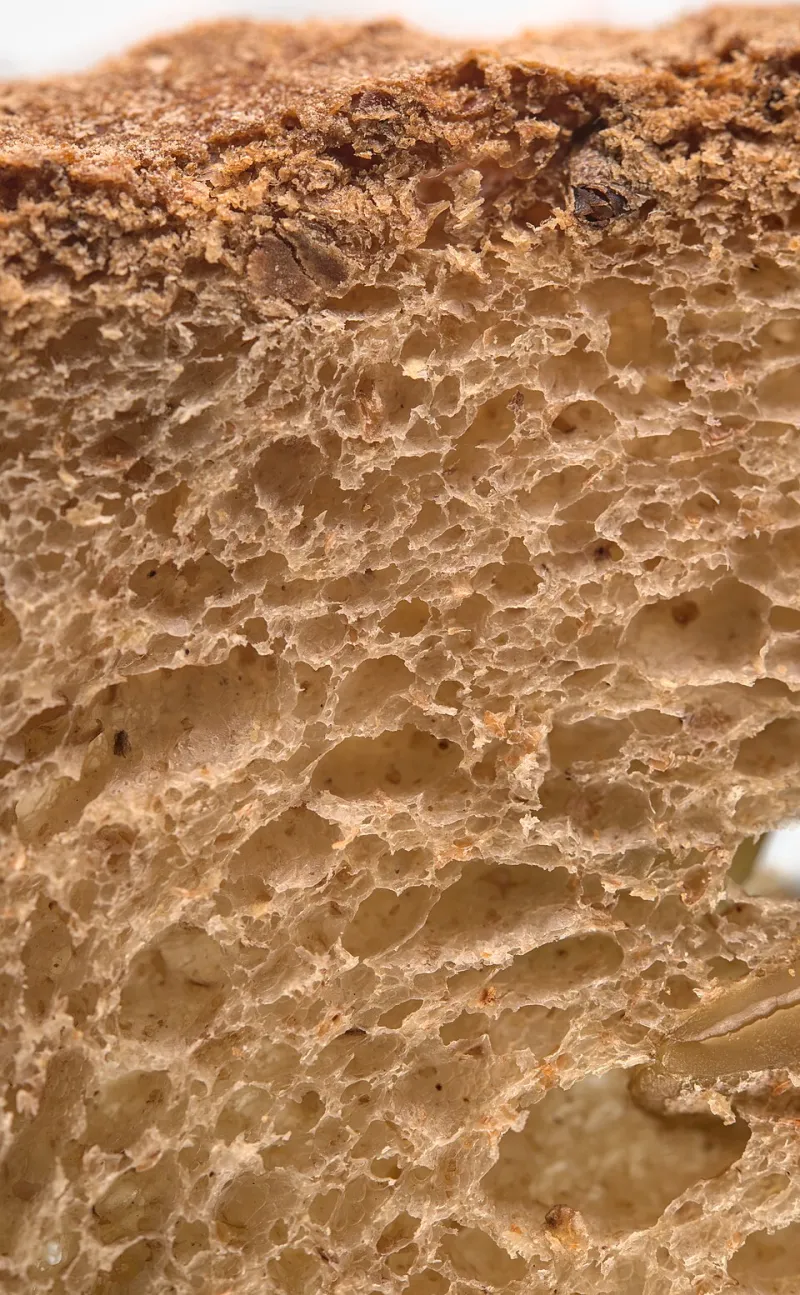
Photo: August Geyler, CC BY-SA 4.0, via Wikimedia Commons
Ask a wine person about terroir and they'll talk your ear off for an hour. Ask them about bread, though, and most people — even serious eaters — treat flour as a commodity. White powder. Shelf-stable. Interchangeable.
A growing movement of American grain farmers, millers, and bakers would like a word.
Bread Used to Be a Weather Report
For most of human history, bread was hyperlocal by necessity. Wheat varieties were selected for specific valleys, specific soils, specific rainfall. A loaf in one region tasted nothing like a loaf two hundred miles away, because the grain itself was different.
Then came industrial milling, and with it, consolidation. American wheat farming narrowed to a handful of high-yield, high-gluten commodity varieties bred for shipping and shelf life, not flavor. By the late 20th century, most flour in the US was essentially anonymous — stripped of bran and germ, bleached, standardized, and interchangeable whether it was grown in Kansas or Kazakhstan.
"We bred the flavor out and then wondered why bread got boring," says Tom Alvarez, who farms heritage and modern grain varieties on 300 acres in upstate New York.
The Grain-Shed Comes Back
The revival follows a familiar sustainable-food pattern: shorten the chain, restore the flavor.
It looks like this on the ground:
- Farmers like Alvarez grow regionally adapted varieties — Red Fife, einkorn, rye, heirloom soft wheats — often in rotation with cover crops that build soil instead of depleting it.
- Regional stone mills — a category that has doubled in number over the past decade — grind the whole grain slowly, at low temperatures, keeping the germ oils that carry flavor and nutrients.
- Neighborhood bakeries ferment those flours with natural starters, often blending varieties the way a winemaker blends grapes.
The result is bread with a passport. A loaf made from New York-grown Redeemer wheat tastes different from one made with grain from the Skagit Valley in Washington — nuttier, earthier, sometimes faintly sweet or bitter depending on the soil and the season.
"Every harvest is different," says Mia Chen, who bakes at a community bakery in the Hudson Valley. "A rainy June changes the flour. I adjust hydration, fermentation, everything. It's like cooking with a living ingredient, because it is one."
Why It Tastes Different — Actually
This isn't just romance. Whole-milled, stone-ground flour retains the wheat germ's oils and enzymes, which industrial roller mills strip out precisely because they go rancid and shorten shelf life. Those compounds carry aroma and flavor. Native yeasts and longer fermentation develop them further.
Blind tastings at grain festivals routinely show people can distinguish local-grain loaves from commodity ones — often describing them as "deeper," "grainier" in the best sense, or, in one memorable comment overheard at a Vermont bake, "like bread used to taste in a book."
There's a resilience argument too. Regional grain diversity is a hedge against the monoculture fragility that commodity wheat represents — one blight, one drought, one supply-chain hiccup, and a single-variety system wobbles.
Finding Real Bread Where You Live
Ready to taste the difference? Here's the practical part:
- Search "stone mill" plus your state. Many regional mills list the bakeries they supply — that's your treasure map.
- Ask the bakery two questions: Where is your flour grown, and is it stone-ground? If the baker lights up and names a farm, you're in good hands.
- Look for the words "whole grain," "sifted," or a named variety. "Organic bread flour" alone tells you nothing about origin.
- Check farmers markets. Small grain farmers increasingly sell flour and whole berries alongside the produce — and often know exactly which bakers buy their crop.
- Bake it yourself. Community mills and online regional grain co-ops will ship small-batch flour. A basic sourdough with genuinely fresh, local flour will reset your expectations permanently.
The Season You Can Eat Year-Round
Grain is the quiet bridge between seasonal eating and the rest of the pantry. It's harvested once a year and eaten all twelve months — the flavor of a specific summer, held in a loaf in February.
That's the argument the grain movement is making, one bakery at a time: that flour, like wine, like tomatoes, like everything else worth eating, has a place. You just have to taste it to believe it.