We Did the Math on Our Farmers Market Stall (You Should See the Permit Fees)

Photo: Paul VanDerWerf from Brunswick, Maine, USA, CC BY 2.0, via Wikimedia Commons
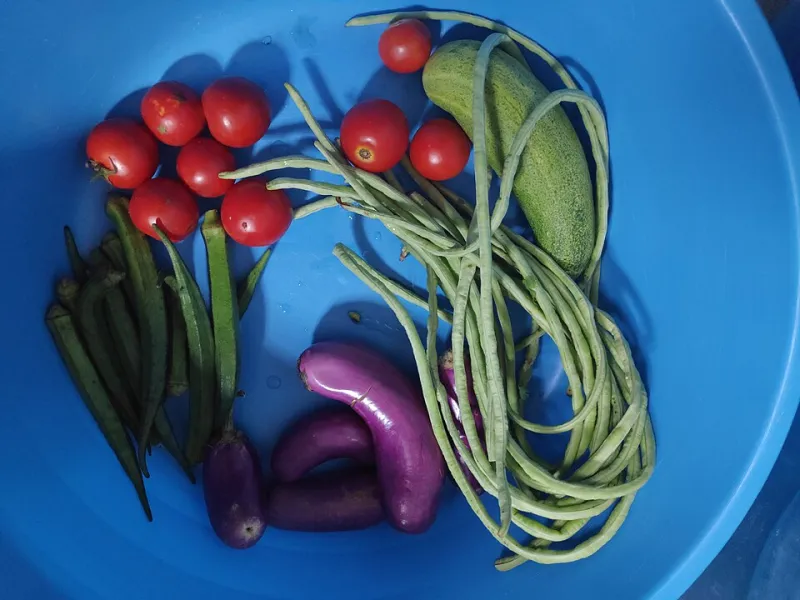
It started the way these things always start: with too many tomatoes.
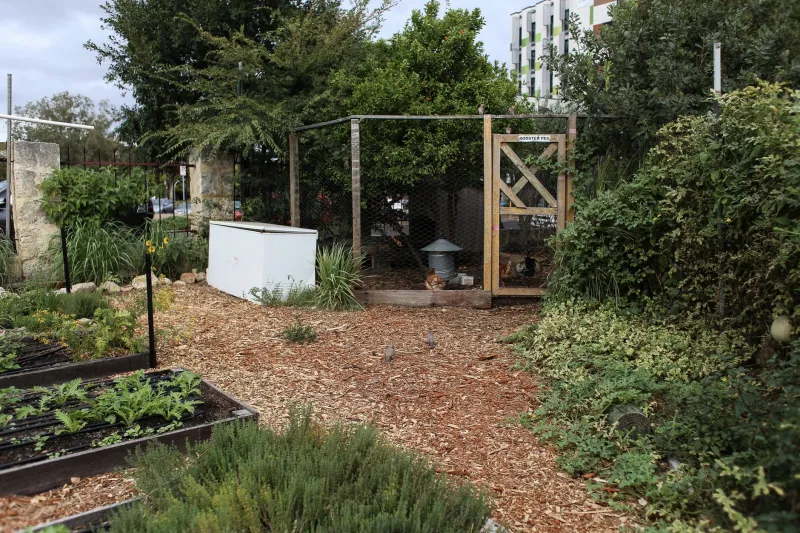
Our community garden plot had gone feral by August, and after the fourth round of foisting bags of produce on unwilling coworkers, my friend Priya said the thing: "We should just sell this stuff."
Five of us — Priya, me, Marcus, Jen, and Jen's extremely patient husband Dave — pooled $600 and applied for a stall at our city's Saturday market. What follows is the honest ledger, because nobody online seems to give you the honest ledger.
The Paperwork Gauntlet
Before a single vegetable changed hands, we spent six weeks and roughly $340 getting legal:
- Market application and stall fee: $45/week in our mid-sized Midwest city ($1,170 for the full 26-week season)
- Vendor permit: $75
- Food handler's certifications (required even for whole produce in our county, inexplicably): $15 each, $75 total
- Liability insurance: $210 for the year through a small-farm policy
- Sales tax permit: free, but the quarterly filings are a tax on your soul
Jen handled most of it and describes the experience as "DMV-themed escape room, but you lose money if you fail."
4 AM Is a Personality Test
Market days started at 4:15 AM. Harvest and wash the night before, load the hatchback at dawn, set up by 6:30, sell from 7 to noon, break down, unload, collapse.
Our startup gear — canopy, folding tables, a card reader, chalkboard signage Priya made that was genuinely better than it needed to be — ran another $480, spread across all five of us.
The physical toll surprised us most. Dave pulled a hamstring carrying a folding table in week three. I have never been so consistently tired as that first summer of Saturdays.
The Actual Numbers
Okay. The part you came for.
Over 26 weeks, we grossed $6,140. Our total expenses — fees, insurance, gear, packaging, seed, soil amendments, and a frankly embarrassing amount on paper bags — came to $3,895.
Net profit: $2,245. Split five ways: $449 each.
That's $449 per person for a season of 4 AM wake-ups, one heat wave that melted our wax signs, and the Saturday a raccoon-related incident (don't ask) delayed our load-out by an hour.
By any hourly-wage logic, we were destroying value. And yet.
What the Spreadsheet Doesn't Capture
Here's the thing nobody warns you about: the market pays in currencies the ledger doesn't track.
The regulars. By September, we had people who came to our stall first. One retired teacher bought slicing tomatoes from us every single week and brought us her mother's relish recipe.
The waste reduction. Selling surplus meant it didn't rot on the vine. Our garden output that would've been compost became income — however modest.
The skills. Priya learned pricing. I learned food safety rules I now use at home. Dave learned he never wants to see a folding table again.
If You're Thinking About It
A few hard-won lessons for anyone eyeing that empty stall:
- Specialize or die. Our best weeks were when we leaned into one thing — Jen's pickled peppers sold out every time. Generalist veggie stalls blend together.
- Bundle the boring. "Salsa kits" (tomatoes, onions, peppers, a recipe card) moved the stuff that wasn't selling on its own.
- Ask about fee waivers. Some markets discount first-year vendors or offer shared stalls. Ours didn't. Some do.
- Track everything from day one. Our spreadsheet is the only reason this article exists.
So Was It Worth It?
Financially, no — not at our scale. Emotionally and practically? Ask us if we're doing it again next season.
We already renewed the permit.
The garden, for the record, is already producing too many tomatoes.