February You Will Thank October You: A No-Sweat Guide to Stashing the Harvest
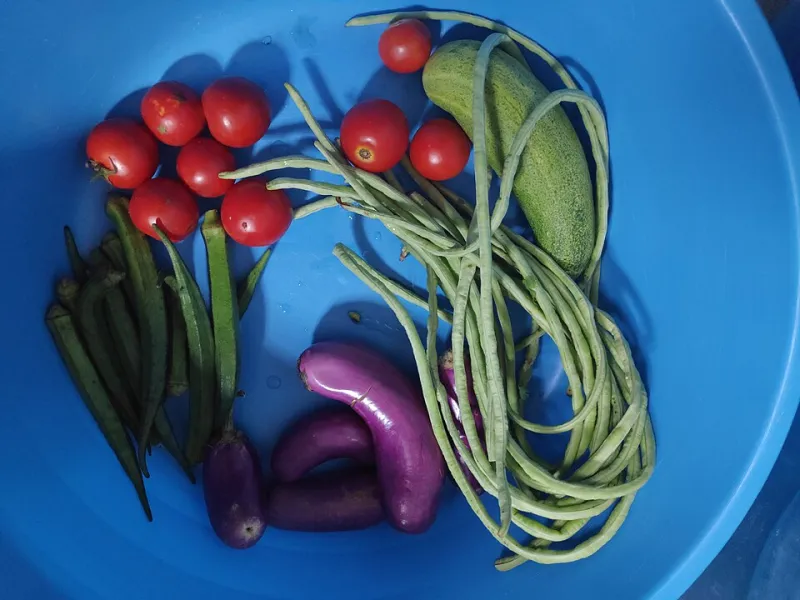
Photo: Gaurav Dhwaj Khadka, CC BY-SA 4.0, via Wikimedia Commons
Somewhere around the third week of February, the farmers market becomes a sea of storage onions and wistful apples, and even the most committed local eater starts eyeing the supermarket berries. It doesn't have to be this way.
The secret isn't canning — which is wonderful, but a genuine time commitment — and it isn't a $3,000 chest freezer in the garage. It's a modest strategy: freeze the right things at the right moment, stash the keepers in whatever cool dark space you've got, and buy smart in bulk before the frost takes everything. Here's the playbook.
What Freezes Beautifully (and What Becomes Soup)
Freezing is the lowest-skill preservation method on earth, but it's not a free-for-all. Water-heavy produce turns to mush; dense or cooked items come through like champions.
Freeze these and thank yourself later:
- Tomatoes — roast or simmer into sauce first, then freeze in jars or bags. (Freeze whole only if you're fine with them collapsing into sauce the second they thaw. Many of us are.)
- Sweet corn — cut kernels off the cob, blanch for two minutes, freeze flat in bags. February chili will never know.
- Peppers — no blanching needed. Chop, freeze on a tray, bag them up.
- Berries — freeze on a sheet pan first so they don't clump into one giant berry.
- Kale, chard, and spinach — blanch briefly, squeeze out the water, freeze in portions sized for one pot of soup.
- Herbs — chop and pack into ice cube trays with olive oil. Instant flavor bombs.
- Shredded zucchini — for winter baking, when you'll desperately want zucchini bread and desperately not want zucchini.
Don't bother: lettuce, cucumbers, raw tomatoes you plan to slice, whole zucchini, cabbage (it ferments better anyway — see our sauerkraut guide).
The Two-Minute Blanch, Explained
Blanching sounds technical. It's not. You drop vegetables into boiling water for a minute or two, then shock them in ice water. This stops the enzymes that turn frozen vegetables dull, gray, and sad over the months. If you skip it, your green beans will be edible in February but they'll taste like the freezer. Two minutes now, or regret later.
Root Cellaring for People Without a Root Cellar
You don't need an actual root cellar. You need cool, dark, and slightly humid — around 40 to 50 degrees is the sweet spot for most storage crops.
- An unheated closet or stairwell works for winter squash, which wants it dry and around 55 degrees.
- A spare fridge or the back of your main fridge is perfect for carrots, beets, and apples. Store roots in a perforated bag with a slightly damp towel so they don't go rubbery.
- A garage or basement shelf handles potatoes, onions, and garlic — but keep potatoes and onions apart. Each one's gases spoil the other faster.
Check your stash every couple of weeks. One rotting apple genuinely does spoil the bunch.
Splitting a Bulk Share Without the Group Chat Meltdown
Fall farm stands often offer half-bushel deals, bulk "seconds" at deep discounts, and end-of-season CSA add-ons. A half bushel of canning tomatoes might cost a third of retail. The catch: that's a lot of tomatoes, and splitting with neighbors is where things get weird.
Rules that keep the peace:
- One person orders and pays; everyone reimburses within the week. No Venmo archaeology in December.
- Agree on the split before pickup. By weight, by count, whatever — just decide in advance, not over a pile of squash.
- Rotate who does the driving. The organizer shouldn't also be the delivery service every year.
- Build in slack. Someone's going to back out. Order slightly less than the group "wants" and slightly more than the group "needs."
Your February Self Says Thanks
The whole system takes maybe three weekend afternoons in October. In exchange, you get tomato sauce on a snowy Tuesday, corn in your chowder, and a basement full of squash that costs a fraction of February's organic produce aisle. Local eating isn't a summer hobby — it's a year-round habit, and the freezer is how you keep it going.
Rooted in the earth. Grown for your table.