Someone Finally Taught Me to Cook the Radishes: Inside the CSA Chef Experiment
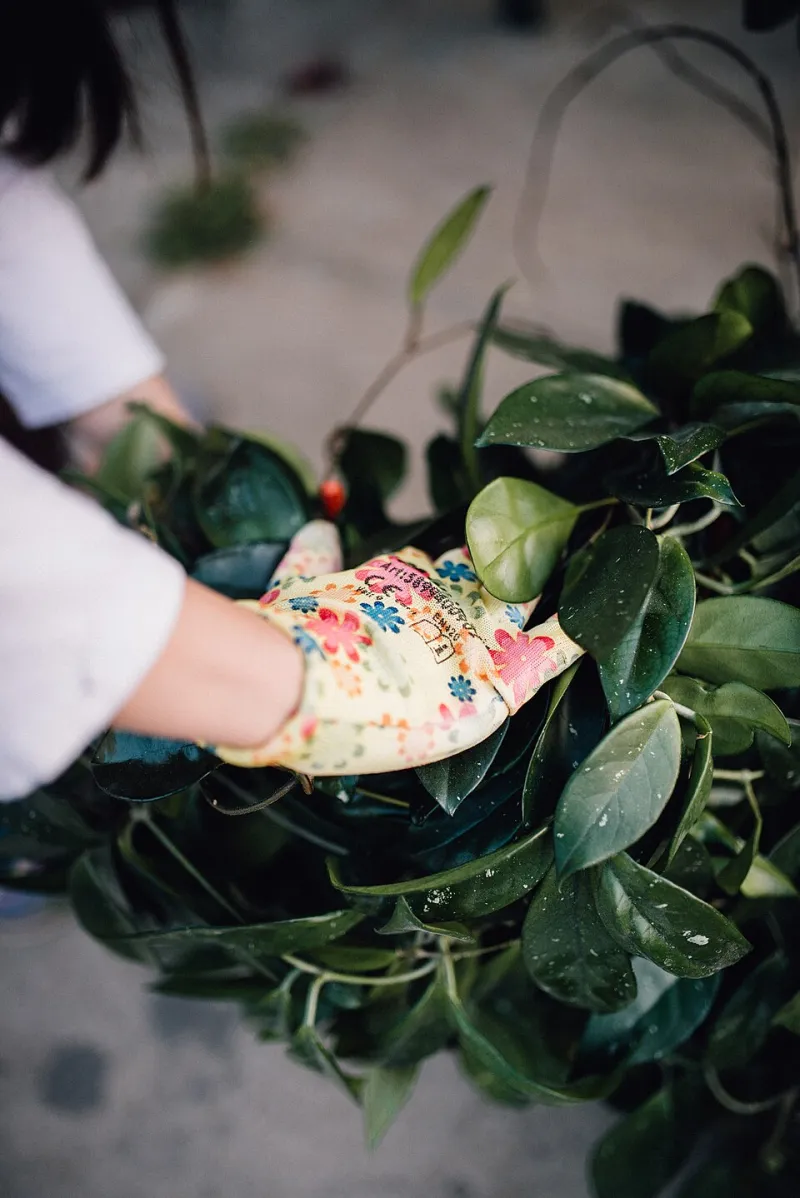
Photo: Shixart1985, CC BY 2.0, via Wikimedia Commons
I have a confession that will surprise nobody who has ever split a farm share: for three weeks in a row last summer, I received kohlrabi and for three weeks in a row I put it in the crisper drawer and pretended it wasn't there. By week four it had gone soft and slightly translucent, and I carried it out to the bin like a small, shameful funeral.
Turns out I am not a special case. I am a statistic.
The Kohlrabi Problem, Quantified
Ask anyone who runs a CSA and they'll tell you the same story. Members sign up in February full of intention. By August, the share is heavier than their cooking repertoire, and the unfamiliar stuff — the bulbs, the tops, the things with dirt still clinging to the roots — starts piling up. Farms don't usually track this, because how would you? But the anecdotal estimates from growers I've talked to land anywhere from 10 to 25 percent of a weekly share going uneaten.
That's not just a household waste problem. It's a business problem. A farm that can't teach its members to eat the share is a farm that loses those members at renewal time, and renewal rates are the entire economic engine of the model.
So a growing number of operations are trying something that sounds almost too obvious: they're hiring cooks.
Recipe Cards Are Not Enough (But They're a Start)
Plenty of CSAs have shoved a photocopied recipe into the box for years. The problem is that a badly formatted card with six ingredients and no photograph does not overcome the fundamental barrier, which is that most of us have never cooked a rutabaga and are mildly afraid of ruining dinner on a Tuesday night.
At a farm in the Hudson Valley that started a chef partnership in 2024, the fix was to build the recipe around what members already cook. Their chef doesn't hand out a fennel gratin recipe in July. She hands out a directive: roast it with the onions you already got, toss it with the pasta you were already making. Same technique, different vegetable. The whole thing takes eleven minutes and requires no new pantry items.
A farm outside Madison, Wisconsin, went a step further and built a text-message channel. Members photograph whatever is intimidating them, and the chef texts back a two-sentence plan. It's low tech, it's cheap, and the farm says member retention climbed six points in its first full season.
The Prepared-Meal Add-On
The more controversial move is the prepared component: the farm kitchen that turns surplus into a heat-and-eat add-on, sold alongside the share. Tomato sauce in September. Soup in November. A quart of pickled whatever-the-heck in June.
The argument for it is straightforward. Members who work late and travel and have kids do not always cook, no matter how beautiful the carrots are. If the farm can capture some of that convenience spending — the money that's currently going to a meal kit or a grocery store prepared-food counter — that's revenue the farm keeps instead of watching walk out the door.
The argument against it is subtler and, honestly, worth sitting with. A farm that starts cooking for its members is a farm doing a new job. Kitchen space, food safety permits, insurance, staff hours, packaging. One Wisconsin grower told me her prepared-food line was the single biggest administrative lift she'd taken on in fifteen years, and that she'd only kept it because the margins worked out to about the same as her wholesale potatoes — which is to say, thin.
What It Actually Costs to Not Throw Food Away
Here's the piece that makes the whole thing pencil out differently than you'd expect. A CSA share price has to cover seed, labor, land, and the brutal reality that some of what gets planted doesn't get sold. Waste in the field is priced in. Waste in the member's kitchen is priced in too, just invisibly — because the farm has to grow extra to make sure it fills every box.
Teaching members to cook the weird stuff doesn't just reduce guilt. It means the farm can grow more of what grows well and worry less about whether it's palatable to a nervous cook. That's a real efficiency, even if it never shows up on a spreadsheet.
Which brings us to the fair question: should you pay more for a share that comes with a chef?
Some farms are charging 8 to 12 percent more and members are paying it. Others are folding the cost into the share and quietly absorbing it. And some, honestly, are using the chef as a marketing sheen on a share that hasn't otherwise improved, which members notice by about week six.
How to Tell If Your Farm Is Serious About This
Three things worth asking before you sign up for a so-called chef-enhanced share:
Is the chef actually on the farm? A photo credit on a recipe card is not a partnership. Someone who walks the rows knows what's about to be abundant and writes accordingly.
Do the recipes use the whole share or one showpiece ingredient? A recipe that calls for a single bulb of fennel and a trip to the store is a decoration. One that uses what you're already receiving is a tool.
Does the farm track any of this? Retention rates, member surveys, how much goes uneaten. If nobody's measuring, nobody's fixing.
The kohlrabi I killed last summer? This year I roasted it with the onions, exactly as instructed, and it was good. Not life-changing. Just good, and eaten, and gone. Which is the whole point. A farm share only works if the food leaves the drawer.