Milk in Glass Bottles, Back on the Porch: The Creameries Betting on the Doorstep
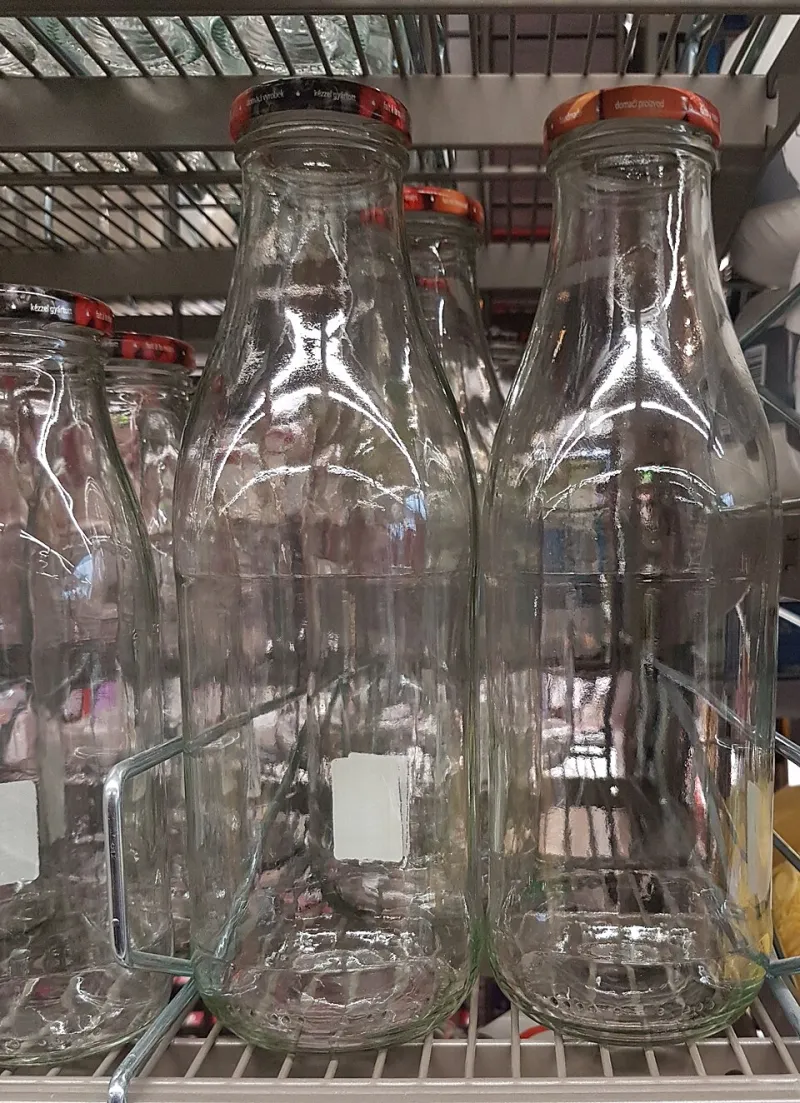
Photo: Asurnipal, CC BY-SA 4.0, via Wikimedia Commons
The truck rumbles up a cul-de-sac in the Sacramento suburbs at 5:40 AM, headlights cutting through fog that hasn't burned off yet. Driver Marcus Reyes hops out, grabs a wire carrier holding four glass bottles and a carton of eggs, and walks it to a cooler on the Hendersons' porch. He swaps the empties. Total time: forty seconds. Total conversation: none, because everyone's still asleep.
This is what the future of local dairy looks like — and it looks a lot like 1955.
The Route That Refused to Die
By the 1980s, home milk delivery was functionally extinct in most of America. Supermarkets, plastic jugs, and two-income households with nobody home to receive a delivery killed it. The milkman became a punchline, then a nostalgia meme.
But over the last decade, small creameries have quietly rebuilt the model — and the numbers tell an unexpected story. Industry estimates suggest home delivery has grown into a $300-plus million niche, powered not by big distributors but by family dairies with a few hundred to a few thousand subscribers each.
Take Riverbend Creamery, a fourth-generation operation outside Portland that nearly sold to a developer in 2015. Instead, they launched a doorstep route with sixty customers. Today they deliver to more than 1,900 homes across three counties.
"We were dead in the water on wholesale," says co-owner Dana Whitfield. "The grocery chains wanted volume we didn't have, at prices we couldn't survive on. The route was the only thing left. Turns out it was the best thing."
Who's Ordering Milk in 2025?
The stereotype says retirees chasing nostalgia. The subscription data says otherwise.
The typical subscriber, according to several creameries I spoke with, is a household with young kids, ages 30 to 45, who found the service through Instagram or a school fundraiser. Many started during the pandemic supply wobbles and never stopped.
"It started as a COVID panic decision," admits Rachel Henderson, whose porch cooler Marcus stocked at dawn. "Now it's the rhythm of our week. My daughter knows the bottles. She knows where the milk comes from — we toured the farm. You can't get that from a grocery shelf."
That's the pitch, and it's more than sentiment. Glass bottles return to the creamery and get reused an average of 25 to 40 times, sidestepping the single-use plastic jug entirely. Shorter supply chains mean milk often lands on a porch within 36 hours of milking, compared to the week-plus journey conventional milk takes to reach a store.
The Brutal Math of the Milk Route
Here's the uncomfortable part: nostalgia doesn't pay drivers.
A delivery route is a logistics nightmare of low margins. Fuel, refrigerated trucks, insurance, and labor eat into every $8 half-gallon. Creameries that survive tend to share a few traits:
- Density. Routes work when customers cluster. One drop per cul-de-sac, not one per ten miles.
- Basket size. Milk gets customers in the door; eggs, yogurt, butter, and cheese make the route profitable. The average order at successful creameries has doubled since 2020.
- The bottle deposit. A $2 to $3 deposit per bottle isn't just sustainability theater — it's the engine of the return system. Skip the returns and the model collapses.
"Every empty bottle that comes back is money we don't spend," Marcus told me between stops. "People think I'm just delivering. I'm also the recycling program."
Even so, creamery owners are candid that the model is fragile. Fuel spikes hurt. Suburban HOAs have occasionally tangled with porch coolers. And the labor shortage is real — good delivery drivers who can handle a 4 AM start are hard to find.
Can It Scale Without Selling Its Soul?
The big question hanging over the revival is whether it stays small. Some regional players are expanding into new metros; a few have attracted outside investment, which makes veterans like Dana Whitfield nervous.
"The moment you're optimizing routes for shareholders instead of soil, you've become the thing we were avoiding," she says, standing in her processing room while the morning's milk comes off the tank.
For now, though, the revival remains stubbornly local — and stubbornly physical. Somebody drives the truck. Somebody washes the bottles. Somebody leaves milk on your porch before the sun comes up.
And in an era when most of our food arrives anonymous and shrink-wrapped, that might be the real product. Not the milk. The relationship.
Thinking about subscribing? Search "milk delivery near me" plus your county name, ask whether bottles are reused or single-trip, and check the delivery-day flexibility. And for the love of all that is dairy, return your empties.